分類: 健身知識

  • 提高員工士氣的方法

    如何提高員工士氣?7個方法+團體活動推薦!

    在經濟不穩、工作壓力大的環境下,如何提高員工士氣,成為每間企業都要面對的關鍵課題。高士氣的團隊不但工作效率更高,更能展現主動性和創造力,幫助公司度過挑戰時期。若管理層只著眼於KPI和成本,而忽視員工感受,長遠只會流失人才、增加內耗,削弱競爭力。


    一、建立清晰目標與溝通機制

    員工士氣低落,很多時並非因為工作辛苦,而是「不知道為何而做」。
    管理層應:

    • 設定清晰、具體、可量度的團隊目標,並定期向同事更新進展。

    • 讓員工明白自己的工作如何連結到公司策略與成果,提升使命感。

    • 建立雙向溝通渠道,例如定期部門會議、1 on 1 面談、匿名問卷,讓員工可以放心表達意見與困難。

    當員工感到資訊透明、聲音被聽見,自然更願意投入,亦較少產生無力感及猜忌。


    二、合理薪酬以外的「真心」認可

    薪酬與福利固然重要,但提升士氣並不只靠加人工。很多員工真正渴望的是「被認同」及「有價值感」。管理層可以:

    • 即時肯定:對完成得好的專案或細節,及時在會議或群組中點名表揚。

    • 制度化認可:設立「每月之星」、「最佳協作獎」等,鼓勵不同崗位的付出,而不只著重銷售數字。

    • 私下感謝:一封簡短電郵、一張手寫卡、一次面談上的真誠肯定,都能大大提升士氣。

    重點是認可要具體、真誠,而非流於形式;讓員工清楚知道「哪個行為值得被鼓勵」,自然更願意重複和發揚。


    三、提供成長與學習的機會

    當員工看不到未來發展,士氣很容易下滑。相反,若公司願意投資員工的專業成長,他們會更有動力留在團隊。可以考慮:

    • 提供內部或外部培訓,如專業證書課程、技能工作坊、語言課程等。

    • 設立明確晉升階梯與職涯路徑,讓員工知道「努力到哪一步,將有什麼機會」。

    • 鼓勵跨部門專案合作,讓同事接觸不同工作範疇,培養多元技能。

    成長感是強大的激勵來源。當員工感到「在這裡不斷變得更好」,士氣自然上升,即使工作忙碌也更有承受力。


    四、營造正向、尊重的工作文化

    職場氣氛對士氣有直接影響。即使福利不錯,如果每天充滿指責、推卸責任、辦公室政治,員工也難以保持動力。企業可從以下方面着手:

    • 以身作則:管理層率先以尊重與開放態度對待團隊,避免公開羞辱或消極批評。

    • 鼓勵合作而非內部競爭:獎勵團隊成果,而不是只標籤「頭幾名」員工,減少不必要的比較與妒忌。

    • 設立基本行為準則:對霸凌、歧視、惡意中傷零容忍,建立安全的工作環境。

    • 推動工作與生活平衡:避免長期加班文化,適度彈性工作安排,使員工有空間照顧家庭與健康。

    當員工在「舒服、安全、不怕講真話」的文化之下工作,士氣才有健康的土壤。


    五、設計有意義的 Team Building 與關懷活動

    Team Building 並不只是「一年一次去打波或食飯」,而是持續營造連結與歸屬感的重要工具。
    可以考慮:

    • 小型定期活動:如每月一次部門午餐、Coffee Chat、生日會,增加非正式交流。

    • 主題工作坊:例如壓力管理、心理健康、理財、興趣班,讓員工感受到公司關心他們的「人生」而不只是一份工。

    • 公益活動:組織義工服務或社會項目,讓團隊一起「做好事」,建立共同價值觀。

    重點不在於活動多豪華,而是是否貼近員工需要,以及管理層是否親身參與、與員工站在同一陣線。

    Hyrox 體驗班(混合體能團建)是一個不錯的活動

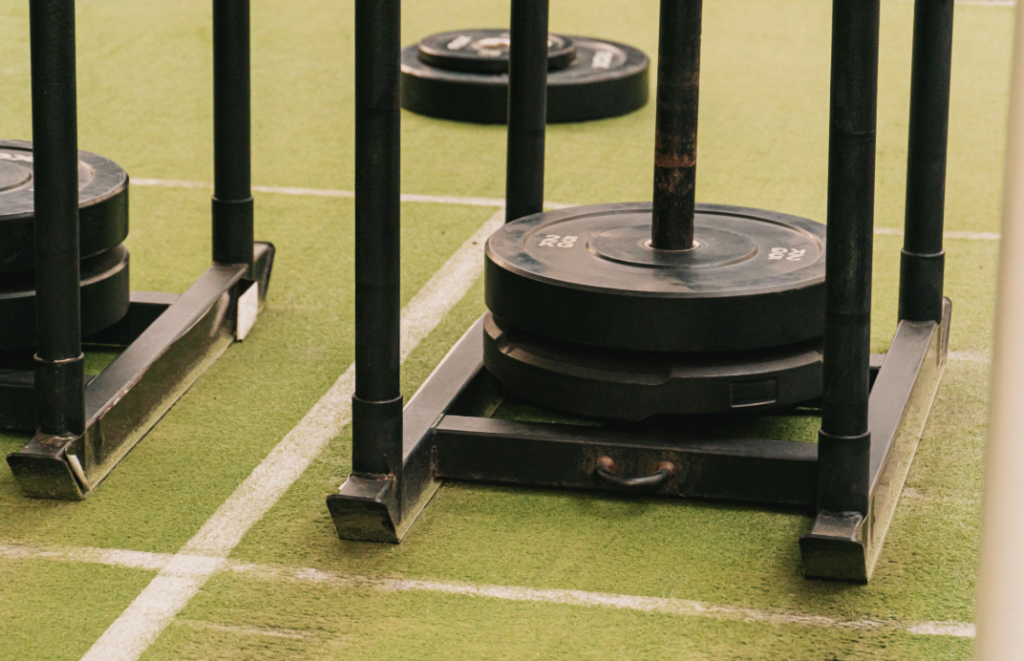
    Hyrox 體驗班將跑步與功能性訓練結合,例如短距離慢跑、推雪橇、划船機、農夫行走、深蹲及牆球等,模擬 Hyrox Race 的「跑步+站點」形式。


    特色是需要隊員互相打氣、輪流完成站點,部分關卡更可設計成接力形式,特別適合希望強化 抗壓能力、意志力與團隊互相支持 的團隊。
    如擔心同事體能差異,可設「初階版」:降低重量、縮短距離、改為小組接力,令文職同事都玩得開心又有成功感。


    六、讓員工參與決策與改善流程

    士氣來自「主人翁感」。如果所有決定都自上而下,員工只負責執行,很容易覺得自己只是螺絲釘。可以:

    • 邀請前線員工參與流程改善,例如收集他們對系統、工作流程、客戶服務的建議,再實際試行部分提案。

    • 在制定政策前,先進行小型焦點小組,聽取不同部門的看法。

    • 對員工的建議給予回應,即使未能採納,也應解釋原因,避免「石沉大海」的感覺。

    當員工發現自己提出的想法真的被採用,或者至少認真被考慮,就會更願意主動思考如何令公司變得更好。


    七、定期檢視士氣與針對性跟進

    提高士氣不是一次過的專案,而是持續過程。管理層可以:

    • 每年或每半年進行員工滿意度調查,了解壓力來源及改善優先次序。

    • 透過中層主管定期收集團隊氣氛與流言,及早處理問題。

    • 在推行新措施後,觀察員工反應及指標(如流失率、病假率、內部申訴量),調整做法。

    重要的是,調查後必須有行動。若多次收集意見卻毫無改變,只會進一步打擊士氣。


    結語:士氣是企業最重要的無形資產

    提高員工士氣,並不只是「做多啲活動」或「出多啲獎金」那麼簡單,而是一套從管理心態、制度設計到日常文化的整體工程。真正有心的企業,會願意放慢一步,聆聽員工的聲音,投入資源打造一個讓人願意留下、願意成長的工作環境。

    當員工感到被尊重、被重視、看見前路時,他們自然會把最好的一面留給公司,與企業一起面對挑戰、分享成果。

    用10日升級體能
    F45 + Hyrox試玩HK$350
    Level Up in 10 Days: F45 + Hyrox Trial for HK$350
  • Team Building

    Team Building 活動推薦:5個活動幫助員工提升協作精神!

    在快節奏、講求合作的職場中,Team Building(團隊建立)活動成為提升企業凝聚力的重要手段。有效的活動不僅能強化員工之間的信任與溝通,更能激發創意與協作精神,讓團隊在輕鬆互動中成長,打造更具歸屬感與效率的工作文化。


    為何企業需要 Team Building 活動?

    Team Building 的核心目標是促進 團隊協作與信任建立,它不只是「玩遊戲」,而是透過有設計性的活動讓成員了解彼此的優勢、思維與溝通方式。當員工能在非正式環境中彼此交流、合作完成任務時,關係自然更緊密。

    在現代企業中,跨部門合作與線上遠距工作已成常態,彼此之間的互信更難自然生成。這時,團隊活動可以有效縮短距離,重新建立凝聚力。從組織角度而言,Team Building 有助於:

    • 提升團隊士氣與整體幸福感;

    • 降低溝通障礙,強化協作效率;

    • 激發創意思維與解難能力;

    • 建立歸屬感,減少人員流失;

    • 讓主管更了解員工特質與潛能。


    常見的 Team Building 類型

    不同企業文化與規模適合不同形式的活動。以下是幾種普遍受到歡迎的 Team Building 類型:

    • 體驗式活動:如戶外挑戰、定向越野、攀岩或划艇等,強調合作與解難。適合需要突破心態界限、建立團結精神的團隊。

    • 工作坊型活動:包括創意思維訓練、溝通技巧課程或角色扮演模擬,有助於提升職場實戰能力。

    • 輕鬆社交類:如公司晚宴、咖啡交流會、主題晚餐或聯誼遊戲,重點是促進人際關係與趣味互動。

    • 公益型活動:透過義工服務或社區項目,讓員工共同實踐企業社會責任,同時加深團隊使命感。

    • 線上 Team Building:針對遠距團隊,可舉辦虛擬密室逃脫、線上問答、網上協作挑戰等,保持連結感。

    以下是5個適合香港企業或中小企的 Team Building 活動推介,已特別包括 Hyrox 體驗班,難度與強度由輕到重,方便你按團隊特質揀選。

    1. Hyrox 體驗班(混合體能團建)

    Hyrox 體驗班將跑步與功能性訓練結合,例如短距離慢跑、推雪橇、划船機、農夫行走、深蹲及牆球等,模擬 Hyrox Race 的「跑步+站點」形式。
    特色是需要隊員互相打氣、輪流完成站點,部分關卡更可設計成接力形式,特別適合希望強化 抗壓能力、意志力與團隊互相支持 的團隊。
    如擔心同事體能差異,可設「初階版」:降低重量、縮短距離、改為小組接力,令文職同事都玩得開心又有成功感。

    2. 密室逃脫/解謎任務

    密室逃脫要求同事分組,在限時內尋找線索、解謎、推理,最後成功「逃出房間」或完成任務。這類活動高度依賴溝通、資訊分享及分工,特別適合

    • 新組成或跨部門團隊

    • 想打破冰、改善「各自為政」狀況的公司

    你可以額外加一個「復盤環節」,請每組分享「誰負責資訊整合」「誰擅長觀察細節」等,幫助主管更了解團隊角色分工。

    3. 烹飪比賽/團隊 Cook-off

    烹飪 Team Building 一向高人氣:同事分組在限定時間內完成指定菜式或創意餐單,由評審或大家投票選出「最佳味道」「最具創意」「最佳擺盤」等獎項。
    優點是門檻低、不太需要體力,又能邊煮邊聊天,適合同事年齡層廣、體能參差的公司。
    透過分工(有人切菜、有人成為「總廚」、有人負責擺盤及匯報),可以自然看到團隊在壓力下如何協調及領導。

    4. 戶外歷奇/輕量拓展活動

    若想同事離開 office、動一動但又不想太 hardcore,可以安排輕量戶外歷奇,例如:

    • 團隊定向/城市解謎遊戲

    • 簡單繩網關卡、小型高低結構挑戰

    • 團隊合作任務(運送物資、搭建簡易結構等)

    這類活動可以訓練 解難能力、風險評估、資源分配,同時讓同事接觸大自然減壓。建議安排專業教練帶領,並在尾段做分享,讓大家將活動中的學習連結到工作情境。

    5. 公益/義工型 Team Building

    結合企業社會責任(CSR/ESG)的 Team Building 近年愈來愈受歡迎,例如:

    • 探訪長者、兒童機構,設計小遊戲或工作坊

    • 協助食物銀行分類及派發物資

    • 環保行動,如海灘清潔、種植活動

    員工不單是「一起玩」,而是「一起做好事」,可以強化團隊的 使命感與價值觀一致性。對品牌形象與員工歸屬感亦有正面效果。

    如何設計一場成功的 Team Building 活動?

    要令活動真正有助團隊發展,需在設計階段明確目標與預期成效,而非僅著重娛樂性。以下原則可作參考:

    1. 明確目的:確定活動是為了解決特定問題(如溝通不良、士氣低落)還是強化關係。

    2. 了解團隊特質:不同部門、年齡層或文化背景影響活動成效,應選擇員工都能享受的形式。

    3. 適度挑戰性:活動要有一定難度,促進合作與分工,但不宜過於艱辛以免造成壓力。

    4. 鼓勵反思:在活動結束後舉行短暫分享環節,讓員工討論心得並連結至日常工作。

    5. 延伸到日常管理:Team Building 不是一次性活動,可將活動精神延伸成長期團隊文化與溝通習慣。


    Team Building 活動帶來的正面效益

    成功的團隊活動往往能為企業帶來長遠效益:

    • 提升士氣與歸屬感:當員工感受到公司願意投資於他們的成長與幸福,他們更有動力投入工作。

    • 強化溝通與信任:透過共同解決問題,員工能打破職位層級的隔閡,彼此更坦誠相待。

    • 提升績效與創意:研究顯示,高凝聚力團隊的產出效率及創造力普遍更高。

    • 促進領導發展:在活動中,潛在領導者有機會展示主動性與組織能力。

    • 降低離職率與內耗:良好團隊關係可減少職場衝突,提升整體留任意願。

    舉例而言,有科技公司透過「48小時創意挑戰」活動,讓跨部門成員組隊研發新方案。活動後不但誕生創新產品,團隊凝聚力亦顯著提升。


    香港企業常見的 Team Building 趨勢

    近年香港公司在員工體驗及文化建設上愈來愈重視創新與多元。幾個熱門方向包括:

    • 結合 ESG 元素:例如舉行環保義工日或可持續發展工作坊,強調企業責任。

    • Wellness 健康主題:融合瑜伽、正念冥想、健步比賽等活動,關注員工身心健康。

    • 混合式活動:線上與實體並行,適應不同地點或彈性辦公團隊。

    • 文化體驗活動:如咖啡拉花比賽、手作課程或本地探索活動,令員工從共享樂趣中交流。


    如何評估 Team Building 成效?

    活動結束並不代表任務完成。HR 或管理層應透過以下方式評估成果:

    • 員工反饋問卷:了解參與者的滿意度與建議。

    • 團隊情緒觀察:留意成員之間的互動是否更融洽。

    • 績效指標變化:觀察合作效率、專案完成度或員工流失率。

    • 長期文化轉變:活動後若能延伸出更多主動合作或溝通機會,即屬正面成果。


    結語:讓 Team Building 成為企業文化的一部分

    最好的 Team Building,不應只是一年一次的員工活動,而是企業文化的持續體現。當管理層以開放、尊重與信任的態度推動團隊發展,員工自然樂於投入並共創成果。

    無論是室內工作坊還是戶外挑戰,重點在於建立「共同體驗、共同目標、共同成長」的精神。唯有如此,團隊的力量才能真正匯聚,讓企業在競爭激烈的市場中持續進步與突破

    用10日升級體能
    F45 + Hyrox試玩HK$350
    Level Up in 10 Days: F45 + Hyrox Trial for HK$350
  • Hyrox Shoes

    How to choose the right Hyrox shoes?

    The right pair of Hyrox shoes can make or break your race performance. Hyrox combines running, sled pushes, burpees, and strength work—all on the same floor. Ordinary running shoes may not provide the grip, stability, and durability required for this hybrid event. Choosing shoes specifically suited for Hyrox training ensures better traction, comfort, and efficiency from your first run to your final wall ball.


    Why Your Shoes Matter in Hyrox

    Unlike traditional races, Hyrox combines eight 1‑km runs with eight functional workout stations. Every movement—from sled pushes to lunges—places different demands on your feet. Runners need stability for lateral motion, cushioning for impact, and grip for constant directional changes.

    Wearing the wrong shoes can lead to energy loss, knee strain, or slipping during sled stations. Proper Hyrox shoes help transfer power efficiently while keeping you planted on the gym floor, especially on the rubberized or concrete surfaces typically used at events.


    Key Characteristics of Good Hyrox Shoes

    Because Hyrox blends endurance and strength, you’ll need footwear that balances running flexibility with cross‑training sturdiness. Look for these features:

    • Low‑to‑medium stack height: Offers ground feel for stability during sled and carry stations.

    • Durable outsole grip: Ensures traction on both gym flooring and turf.

    • Reinforced midsole: Adds stability for multi‑directional movements.

    • Lockdown heel and wide toe box: Prevents sliding during lateral exercises.

    • Responsive cushioning: Helps absorb shock in running segments without feeling too soft for strength work.

    In essence, ideal Hyrox shoes sit somewhere between a running trainer and a CrossFit shoe—hybrid by design, just like the event itself.


    How Hyrox Differs from Running and Cross‑Training

    A common mistake is assuming a road running shoe works fine for Hyrox. Road shoes prioritize soft cushioning, forward‑motion propulsion, and lightweight design—but they often lack lateral support and firm base stability.

    Cross‑training shoes, meanwhile, emphasize stability for weightlifting and agility but can feel heavy or stiff during 1‑km runs. Hyrox shoes must strike a delicate balance—light enough for efficient running, but stable enough to handle sled pushes, pulls, and wall balls.

    This dual demand explains why selecting the wrong pair can lead to performance loss or discomfort halfway through the race.


    Since dedicated “Hyrox” models are still emerging, most athletes use top hybrids from the training or functional‑fitness categories. Here are popular choices that suit Hyrox needs:

    • Nike Metcon Series (Metcon 9 or 10): Excellent stability and durable outsole, ideal for sled work. The trade‑off is slightly firmer cushioning for longer runs.

    • Reebok Nano X4: Balanced between responsiveness and structure; great for mixed‑modal training with better running comfort than earlier Nanos.

    • Under Armour TriBase Reign 6: Lower to the ground for stability, good traction on sled turf, though cushioning is minimal.

    • NOBULL Trainer+ or Runner+: Durable, wide base and flexible forefoot; versatile across all stations.

    • Inov‑8 F‑Lite or Bare XF Series: Lightweight, minimal drop, excellent grip for explosive transitions and short‑distance runs.

    • Hoka Kawana or Mach X: When running performance is your strength, Hoka offers cushioning without losing midfoot control—suitable for those prioritizing speed over pure stability.

    Each option serves different athlete profiles—whether you’re strength‑dominant or endurance‑focused.


    Understanding the Demands of Each Station

    Your shoe choice should reflect how you handle the balance between running and functional exertion. Let’s break down where Hyrox shoes matter most:

    • Sled Push/Pull: Requires exceptional grip and ankle stability. Shoes with lateral traction patterns prevent slippage under pressure.

    • Burpee Broad Jumps: Medium cushioning and flexible soles allow smoother take‑off and landings.

    • Farmers Carry and Lunges: A firm midsole provides control; too much cushioning leads to instability.

    • Rowing and SkiErg: Although less foot‑intensive, proper arch support improves power transfer.

    • Wall Balls: You’ll need stable footing to maintain upright posture and accurate form during throws.

    • Running Segments: Combined 8 km means efficient stride economy—too heavy a shoe increases cumulative fatigue.

    Finding a model that performs evenly across all stations is key to maintaining consistency throughout the race.


    Cushioning vs. Stability: Striking the Right Balance

    Cushioning brings comfort for runs but can compromise balance on sled or carry stations. Minimalist shoes improve ground contact but may punish joints during the final kilometers.

    The best compromise lies in medium cushioning with a stable heel counter. For example, Reebok Nano X4 and Nike Metcon 9 excel here—they feature dual‑density midsoles with firm heel zones and softer forefoots. This hybrid setup aids runners without sacrificing stability for heavy sled movements.

    If your strength lies in endurance and running, opt for slightly higher stack shoes such as Hoka Kawana. Conversely, if your priority is power output on functional exercises, pick lower‑profile trainers like the TriBase Reign.


    Weight and Fit Considerations

    A lighter shoe conserves energy across 8 km of running but must still offer structural integrity. Average Hyrox shoes weigh 9–11 oz (255–310 g) per shoe.

    Fit-wise, ensure:

    • Snug heel lockdown (to avoid slippage during sled pushes).

    • Moderate toe‑room for foot spread during squats, lunges, and jumps.

    • Breathable upper to manage sweat from constant indoor exertion.

    Trying shoes in actual Hyrox training sessions—rather than purely running—reveals their true comfort under mixed‑modal efforts.


    How to Test Shoes for Hyrox Readiness

    Before race day, simulate several full‑flow workouts that include running and strength transitions. For instance:

    1. Run 1 km

    2. Sled push or heavy prowler drive

    3. 1 km row

    4. Farmers carry or dumbbell lunges

    5. 1 km run

    This sequence exposes weaknesses in traction or flexibility. If shoes feel unstable or overly soft, consider switching. Many elite athletes test multiple pairs weeks before committing to a race‑day option.


    Tips for Extending the Life of Your Hyrox Shoes

    Because Hyrox workouts combine turf, rubber floor, and pavement, footwear durability suffers faster than usual. Maintain longevity with these tips:

    • Use them only for training and races—avoid daily wear.

    • Clean the outsoles after sled pushes; grit and rubber dust reduce grip.

    • Air‑dry after every session to prevent odor buildup.

    • Rotate between two pairs if training volume exceeds four sessions weekly.

    With proper care, quality Hyrox shoes last 6–9 months of intense hybrid training.


    Common Mistakes When Choosing Hyrox Shoes

    Many athletes overlook how flooring type affects grip—some venues use synthetic turf, others polished concrete. Oversoft running shoes slide easily on these surfaces.

    Other missteps include:

    • Prioritizing brand over function.

    • Choosing ultra‑minimal footwear without adequate cushioning.

    • Using worn‑out soles with faded tread.

    • Neglecting to break in new shoes before event day.

    Footwear comfort and reliability reduce cognitive load during competition, letting you focus entirely on performance.


    Final Thoughts: Finding Your Perfect Hyrox Shoes

    Hyrox is a true test of all‑around fitness—and your shoes form the literal foundation of success. A pair of well‑chosen Hyrox shoes should provide balanced support for both running efficiency and functional stability.

    The best shoe is the one that fits your stride, strength profile, and race strategy. Test different models, prioritize grip and stability, and treat your footwear as serious performance gear—not just apparel. With the right fit underfoot, every station, stride, and sled feels sharper, faster, and more controlled.

    用10日升級體能
    F45 + Hyrox試玩HK$350
    Level Up in 10 Days: F45 + Hyrox Trial for HK$350
  • Hyrox Stations

    What are Hyrox Stations? How to prepare for the competition?


    The Hyrox race is one of the most exciting challenges in hybrid fitness, testing both strength and endurance through eight running segments and eight functional workout stations. Each of the Hyrox stations is designed to push different muscle groups and energy systems, demanding full-body versatility. Understanding how each station works lets you train smarter, pace correctly, and maximize performance on race day.


    What Are the Hyrox Stations?

    Hyrox combines 8 x 1 km runs with 8 functional workout stations, creating a race format that blends endurance, strength, and strategic pacing. The order of these stations never changes, which allows athletes to train specifically for the consistent sequence. Each station challenges a different component of athletic performance — from explosive power to muscular endurance and grip strength.

    The standard sequence for all official Hyrox competitions is as follows:

    1. 1 km Run

    2. SkiErg – 1 km

    3. 1 km Run

    4. Sled Push – 50 m

    5. 1 km Run

    6. Sled Pull – 50 m

    7. 1 km Run

    8. Burpee Broad Jumps – 80 m

    9. 1 km Run

    10. Rowing – 1 km

    11. 1 km Run

    12. Farmers Carry – 200 m

    13. 1 km Run

    14. Sandbag Lunges – 100 m

    15. 1 km Run

    16. Wall Balls – 100 reps

    The eight Hyrox stations are the SkiErg, Sled Push, Sled Pull, Burpee Broad Jumps, Rowing, Farmers Carry, Sandbag Lunges, and Wall Balls.


    Station 1: SkiErg – 1 KM

    The race begins with the SkiErg, a test of upper-body power and coordination. It simulates cross-country skiing, engaging the shoulders, triceps, lats, and core. After the first 1 km run, heart rate is moderately elevated, so pacing here is critical.

    Training tip: Focus on technique—keep elbows tucked, hinge from the hips, and use the core for rhythm. Incorporate SkiErg intervals (4 × 500 m) into your Hyrox training plan to build efficiency.


    Station 2: Sled Push – 50 M

    The Sled Push is one of the most demanding Hyrox stations, targeting legs, glutes, and core under extreme resistance. Athletes push a heavy sled across a 50 m track, split into two 25 m lengths.

    Pro insight: Short, powerful steps work best; don’t sprint early. Maintain knee drive and body angle around 45 degrees. Practice heavy prowler pushes and low sled drives to build strength. This is where lower-body endurance can make or break your overall time.


    Station 3: Sled Pull – 50 M

    Immediately after another kilometer of running, participants tackle the Sled Pull. Using a rope, athletes pull the weighted sled toward themselves in repeated efforts while walking backward. It challenges grip strength, back muscles, and overall stability.

    Training approach: Include seated rows, heavy rope pulls, and farmer’s carries to improve pulling power. Building time under tension helps maintain posture as fatigue sets in.


    Station 4: Burpee Broad Jumps – 80 M

    The Burpee Broad Jump station mixes explosive movement with cardiovascular fatigue. Competitors perform a full burpee followed by a broad jump forward until completing 80 meters.

    Key here is finding rhythm—don’t overjump early; small controlled movements preserve energy. Practice 10-meter repeats to drill efficiency and transition smoothly between jumps. Strong quads, hips, and core are essential to sustain form under exhaustion.


    Station 5: Rowing – 1 KM

    By this point, fatigue is high, and the Rowing station provides a mix of active cardio and strength work. Keeping a consistent stroke rate (around 25–30 per minute) ensures efficiency. It engages posterior chain muscles—hamstrings, glutes, and lats—while maintaining aerobic output.

    Training tip: Alternate long steady rows (1–2 km) with sprint intervals (250–500 m). Technique matters: drive from the legs, not the arms, and avoid jerky motions to conserve energy.


    Station 6: Farmers Carry – 200 M

    At this stage, grip strength and posture are the limiting factors. In the Farmers Carry, athletes carry two heavy kettlebells or dumbbells over 200 meters. The challenge is to maintain a strong core and stable shoulders while under load.

    Strategy: Keep shoulders pulled back, take short steps, and avoid resting weights against legs. Grip endurance can be improved by training with heavier loads in shorter distances during workouts.


    Station 7: Sandbag Lunges – 100 M

    With heart rate at its peak, the Sandbag Lunge station tests strength endurance and mental grit. Carrying a sandbag on the shoulders, athletes lunge 100 meters, ensuring the trailing knee touches the ground each rep.

    Technique focus: Keep torso upright, engage the core, and maintain steady pacing. Alternate leading legs every few reps to balance fatigue. Practicing walking lunges with moderate weight builds both stability and aerobic control.


    Station 8: Wall Balls – 100 Reps

    The final Hyrox station, Wall Balls, combines power and endurance. Athletes squat and throw a medicine ball to a target height (typically 3 m for men, 2.7 m for women). It’s the ultimate test of stamina after over an hour of exertion.

    Strategy for success: Break the 100 reps into manageable sets, such as 25-25-20-15-15, with short rests. Focus on breathing rhythm—inhale on the squat, exhale on the throw. Add wall balls into circuit workouts weekly to simulate late-race fatigue.


    How to Train for Hyrox Stations

    To perform well across all eight Hyrox stations, training must emphasize hybrid conditioning—the ability to transition between strength and cardio seamlessly. A structured program includes:

    • Strength training (2–3 times per week): Prioritize compound lifts (squats, deadlifts, presses) and functional moves (sleds, carries, lunges).

    • Endurance work (3–4 times per week): Combine steady-state runs with interval sessions matching race pace.

    • Hybrid workouts: Simulate race flow (run + station combos). For instance, 1 km run + sled push + 1 km run + rowing.

    • Mobility and recovery: Stretch hips, hamstrings, and shoulders regularly; fatigue management prevents injury and improves efficiency.

    This combination builds both aerobic capacity and muscular endurance—the pillars of successful Hyrox performance.


    Common Mistakes During Hyrox Stations

    Many first-time racers underestimate transitions. Common missteps include:

    • Starting too aggressively in early stations like the SkiErg or sled push.

    • Failing to manage heart rate and energy across the 8 km total.

    • Neglecting technique in stations that require coordination (e.g., wall balls).

    • Ignoring grip and core conditioning, which are critical for sled pulls and carries.

    A smooth transition between running and functional exercises saves minutes and energy. Practice workouts that mirror race flow to condition your body for this unique rhythm.


    Race Strategy: Managing the Eight Stations

    The smartest competitors plan their station pacing long before race day. Here’s how elite Hyrox athletes approach the format:

    1. Control early intensity on SkiErg and sleds; go at 80% effort.

    2. Maintain consistent 1 km run pace—slowing down between stations wastes momentum.

    3. Break reps or distances strategically (e.g., 4 × 25 m lunges).

    4. Use breathing patterns to stabilize heart rate between high-output exercises.

    5. Visualize transitions, treating each station as a separate checkpoint.

    This structured mindset helps sustain rhythm and prevents burnout in the later stages.


    Final Thoughts: Conquer Every Hyrox Station

    Every Hyrox station contributes to the full-body challenge that defines this event. From the explosive power of sled pushes to the endurance grind of wall balls, mastering each one takes discipline and tactical awareness.

    Train consistently, simulate transitions in your workouts, and keep refining your pacing and recovery. Whether you’re chasing a personal best or aiming for your first finish, understanding every Hyrox station is your blueprint for success.


    用10日升級體能
    F45 + Hyrox試玩HK$350
    Level Up in 10 Days: F45 + Hyrox Trial for HK$350
  • Hyrox training /workout:Complete Guide In 2026

    Hyrox training /workout:Complete Guide In 2026


    Hyrox is the ultimate test of hybrid fitness—combining running and functional workouts in a race format that pushes both strength and endurance limits. Whether you’re a seasoned athlete or a gym-goer seeking a new challenge, proper Hyrox training can transform your performance. From pacing strategies to specific Hyrox workouts, the right approach can mean the difference between finishing strong or hitting the wall halfway.


    What Is Hyrox?

    Hyrox is a global fitness race blending endurance running with strength-based functional training. Each event follows the same standardized format—eight 1 km runs, each followed by a functional workout station such as sled pushes, rowing, or burpees.

    What makes Hyrox unique is that it tests complete athleticism, rewarding those who can maintain power under fatigue. The event sits between a marathon and CrossFit competition: long enough to demand stamina, yet intense enough to require real strength. It’s suitable for both elite athletes and everyday fitness enthusiasts thanks to divisions like Pro, Open, and Doubles.


    The Structure of a Hyrox Race

    A Hyrox event consists of:

    1. 1 km Run

    2. 1 km SkiErg

    3. 1 km Run

    4. Sled Push

    5. 1 km Run

    6. Sled Pull

    7. 1 km Run

    8. Burpee Broad Jumps

    9. 1 km Run

    10. Rowing

    11. 1 km Run

    12. Farmers Carry

    13. 1 km Run

    14. Sandbag Lunges

    15. 1 km Run

    16. Wall Balls

    The total distance is 8 km of running interspersed with eight demanding workouts. Success in Hyrox therefore requires both aerobic efficiency and muscular endurance.


    Principles of Hyrox Training

    Building the right fitness base is crucial. A good Hyrox training program should address three pillars:

    • Running Endurance – the ability to run eight 1Ks consistently without burning out.

    • Functional Strength – pushing, pulling, carrying, and squatting under fatigue.

    • Transition Efficiency – minimizing rest between stations and keeping heart rate steady.

    An effective Hyrox training plan blends endurance runs, interval workouts, and functional strength circuits—designed to simulate race conditions. For beginners, the key goal is developing aerobic capacity; for intermediates, focusing on pacing strategy and recovery yields faster times.


    How Often Should You Train for Hyrox?

    Most athletes train 4 to 6 days per week, depending on fitness level. A balanced weekly split might look like this:

    • Day 1: Running intervals (e.g. 8 × 1 km at race pace)

    • Day 2: Functional strength workout (sleds, carries, squats)

    • Day 3: Easy recovery cardio or mobility work

    • Day 4: Brick-style Hyrox workout simulation (run + functional combo)

    • Day 5: Full-body strength training

    • Day 6: Endurance run (steady 6–8 km pace)

    • Day 7: Rest or active recovery

    Consistency is the true differentiator. Hyrox athletes often spend months refining transitions, pacing, and breathing control before race day.


    Sample Hyrox Workout You Can Try

    If you want a taste of the challenge, here’s a sample Hyrox workout that mirrors the race intensity but fits into one 60-minute gym session:

    1. Warm-up: 5 min light jog + dynamic mobility

    2. Main Block (4 rounds):

      • 800 m run

      • 20 wall balls

      • 15 burpee broad jumps

      • 20 m sled push (moderate weight)

      • 250 m SkiErg or row

      • 20 walking lunges (with dumbbells)

    3. Cool down: 5 minutes easy cycling or stretching

    This type of workout trains your cardiovascular capacity while strengthening key muscle groups used in Hyrox. Aim for smooth transitions and controlled breathing—rushing leads to fatigue later.


    Running Strategy for Hyrox Events

    Pacing is everything in Hyrox. The runs aren’t sprints but should be faster than a typical endurance jog. Ideally, athletes maintain 80% of their max effort during the runs, leaving energy for each functional station.

    Key pacing tips:

    • Don’t start too fast—maintain consistency across all 8 km.

    • Slow slightly before entering a workout station; heart rate control matters.

    • Use efficient running form—shorter strides and upright posture reduce fatigue.

    Practicing your race pace during Hyrox training runs helps condition both mind and body to handle race-day intensity.


    Strength and Conditioning Focus

    Functional strength separates average performers from podium contenders. A good Hyrox workout program should include compound lifts—squat, deadlift, push press, and pull movements—paired with high-rep conditioning.

    Great additions include:

    • Sled pushes/pulls: Build power and leg drive.

    • Wall balls: Enhance coordination and upper-lower body synergy.

    • Farmer’s carries: Improve grip strength and core stabilization.

    • Rowing/SkiErg intervals: Boost aerobic power and shoulder endurance.

    Train progressively—add load or distance gradually to avoid overtraining. Core work and posterior chain strength are also crucial for stability and injury prevention.


    Recovery and Nutrition for Hyrox Training

    Due to its intensity, Hyrox training increases recovery demands. Prioritize:

    • 7–9 hours of sleep nightly for muscle repair.

    • Balanced macronutrients: lean protein, complex carbs, and healthy fats.

    • Hydration before and after sessions to offset sweat loss.

    Active recovery days—light mobility work, yoga, or easy cycling—prevent fatigue buildup. Many athletes also use compression sleeves or ice baths for muscle recovery during heavy training blocks.


    How Long Does It Take to Prepare?

    For beginners, a 10–12 week Hyrox training plan is realistic to build base endurance and confidence. Intermediate athletes with a strength foundation might need only 6–8 weeks of focused work.

    Progress steadily—measure improvements through time trials (e.g., 1 km runs, sled distances, or overall workout duration). Tracking performance over weeks helps adjust training intensity and identify weak areas.


    Common Mistakes in Hyrox Training

    Even experienced athletes often fall into traps such as:

    • Overemphasizing running while neglecting strength (or vice versa).

    • Skipping recovery days and accumulating fatigue.

    • Ignoring proper nutrition and hydration.

    • Neglecting pacing practice during simulation workouts.

    Remember, Hyrox rewards the well-rounded athlete—not just the fastest runner or the strongest lifter.


    Final Thoughts

    Hyrox offers a thrilling test of complete fitness—endurance, strength, and mental resilience. With thoughtful Hyrox training, balanced pacing, and consistent progression, anyone can go from gym regular to Hyrox finisher. Start by adding one Hyrox workout a week, focus on efficient transitions, and build momentum gradually.

    As race day approaches, trust the process, maintain discipline, and enjoy the experience—there’s nothing quite like crossing that final finish line after conquering eight runs and eight brutal workouts.


    用10日升級體能
    F45 + Hyrox試玩HK$350
    Level Up in 10 Days: F45 + Hyrox Trial for HK$350
  • Hyrox Hong Kong 2026

    Hyrox Hong Kong Competition 2026: Registration fees, venue and sign‑up details

    Hyrox Hong Kong 2026 race dates

    The 2026 Hyrox Hong Kong leg will take place over three consecutive days, from 8 to 10 May 2026 at AsiaWorld‑Expo. It is a key stop on the Hyrox 2025/26 APAC Tour and is expected to attract fitness fans from around the world. Compared with the fifth Hong Kong race held in July 2025, the 2026 event has been extended to three days to provide more race slots.

    Notably, the Hyrox 2025/26 APAC season includes multiple city stops before Hong Kong, such as Singapore (November 2025), Shenzhen (December 2025), Osaka (late January to early February 2026), Taipei (late February to early March 2026) and Bangkok (March 2026). As a flagship race in May, the Hong Kong stop gives participants ample time to prepare.

    Registration fees for Hyrox Hong Kong

    Although the official registration fees for the 2026 Hong Kong race have not yet been announced, we can estimate the price range based on the 2025 Hong Kong fees:

    • Singles: around HK$1,050

    • Doubles: around HK$995

    • Relay: around HK$785

    • Pro: around HK$1,050

    • Adaptive: around HK$1,050

    Registration usually uses dynamic pricing – the earlier you sign up, the cheaper it is. In addition, the organiser offers a Flex Add‑On option that gives participants the right to refunds and name changes. Those who select the Flex Add‑On must pay an extra fee, but receive the following protection:

    • Singles Flex: 100% refund available up to 7 days before the race, 50% refund up to 1 day before (Flex fee not included)

    • Doubles / Relay Flex: 100% refund up to 7 days before, 50% refund up to 1 day before, and one name change allowed up to 1 day before the race

    Tickets without the Flex Add‑On are strictly non‑refundable, non‑changeable and non‑transferable. Participants must make their choice carefully at checkout, as the Flex Add‑On cannot be added afterwards.

    Besides the registration fee, participants can purchase an official photo package. Powered by Sportograf’s face‑recognition technology, it captures race photos, and cost HK$209.99 in 2025. Spectator tickets are around HK$100 per day.

    Hyrox Hong Kong 2026 race schedule

    As of now, the detailed 2026 schedule for the Hong Kong race has not yet been released. According to the official website, the timetable will be announced in due course and may be adjusted based on registration numbers.

    Looking at the July 2025 Hong Kong race as reference, races usually start at 9am and run into the evening. Different divisions are assigned different time slots, with a wave starting roughly every 10 minutes. The 2025 schedule was arranged roughly as follows:

    Saturday:

    • Morning to afternoon: Men’s divisions / Men’s Adaptive

    • Afternoon: Pro Doubles Women, Pro Women

    • Evening: Mixed Doubles, Corporate Mixed Relay, Mixed Relay

    Sunday:

    • Morning to afternoon: Men’s Doubles

    • Afternoon: Women / Women’s Adaptive, Women’s Doubles

    • Evening: Corporate Women’s Relay, Corporate Men’s Relay, Men’s Relay, Women’s Relay

    Since the 2026 event will be stretched over three days, there should be more room to spread out all divisions. Participants should keep a close eye on official announcements.

    Hyrox Hong Kong 2026 venue and transport

    Venue

    The 2026 Hyrox Hong Kong race will again be held at AsiaWorld‑Expo, 1 Airport Expo Boulevard, Chek Lap Kok, Hong Kong. AsiaWorld‑Expo is one of the city’s largest indoor event venues, with full facilities and capacity for large‑scale events and audiences.

    Transport

    Getting to AsiaWorld‑Expo is very convenient. Participants and spectators can choose from the following options:

    1. Airport Express (fastest)
      AsiaWorld‑Expo Station is directly connected to the venue; you arrive in the main concourse as soon as you exit the gates. Approximate journey times and same‑day return fares from key urban stations:

    • Hong Kong Station: about 28 minutes, same‑day return HK$60

    • Kowloon Station: about 25 minutes, same‑day return HK$60

    • Tsing Yi Station: about 18 minutes, same‑day return HK$47 (includes free MTR connection)

    • Airport Station: around 2 minutes, free connection

    Participants can enjoy same‑day return discounts on presentation of event proof and Octopus card. Trains run every 10–12 minutes, with increased frequency during major events.

    1. Bus (most economical)
      Across Hong Kong’s 18 districts, a total of 42 bus routes serve AsiaWorld‑Expo or the Airport City area. Key routes include:

    • E32: Kwai Fong Station ↔ AsiaWorld‑Expo (HK$15.0, about 35–45 minutes)

    • E41: Tai Po ↔ AsiaWorld‑Expo (HK$18.0, about 50–60 minutes)

    • S1: Tung Chung Station ↔ AsiaWorld‑Expo (HK$3.5, about 8–10 minutes)

    • X1: Tung Chung Station express (on event days, HK$6.1, about 6–8 minutes)

    1. Tung Chung express buses
      On designated event days, Long Win and Citybus operate X1 point‑to‑point express services from Tung Chung Bus Terminus directly to AsiaWorld‑Expo, taking only 6–8 minutes.

    2. Taxi
      Urban (red), New Territories (green) and Lantau (blue) taxis can all drop off at AsiaWorld‑Expo. The taxi stand is located near the main entrance and is suitable for those in a rush or carrying lots of gear.

    Participants are advised to plan their route in advance, especially on race mornings, and allow enough time for check‑in and warm‑up.

    Hyrox Hong Kong 2026 registration details

    Registration opening

    According to official information, registration for the 2026 Hyrox Hong Kong event will open on 15 January 2026. Those interested should follow the official website closely. As the Hong Kong race is extremely popular – the 2025 edition recorded over 9,700 sign‑ups and sold out – early registration is strongly recommended.

    Registration process

    Participants must register online via the official HYROX website (www.hyrox.com). During sign‑up, you must complete your personal information directly in the ticketing flow, including:

    • First name and last name

    • Email address

    • Gender

    • Date of birth

    • Nationality

    Each participant must register with a unique email address. If incorrect information is submitted, it cannot be changed online or on‑site unless you purchased the Flex Add‑On.

    Divisions

    Hyrox offers multiple divisions to suit different abilities and goals:

    • Singles: for those who want an individual challenge, available as Open and Pro divisions

    • Doubles: sign up with a partner and race together. Both run the full distance but can split the workout stations as you like. Options include Women’s, Men’s and Mixed Doubles

    • Relay: four‑person teams suitable for gyms, companies or friends. Each teammate completes two runs and two workouts. Divisions include Women’s Relay, Men’s Relay, Mixed Relay and Corporate Relay

    • Adaptive: designed for athletes with special needs, based on the classic Hyrox format but with adjusted weights and reps for certain stations

    Age groups

    Hyrox uses 10‑year age brackets. Age is calculated as of race day. In Doubles, the age group is based on the pair’s average age, and in Relay on the team’s average age.

    Registration notes

    • Non‑transferable: Starting from the 2025/26 season, the organiser no longer allows race transfers or division changes, so choose your ticket type carefully.

    • Flex Add‑On cannot be added later: it must be purchased at checkout and cannot be added afterwards.

    • High finish rate: Past events have had a finish rate of up to 98%, showing that Hyrox is suitable for a wide range of fitness levels.

    • ID required: you must present ID when checking in.

    • Wristband access: your participant wristband only grants access on your race day. To spectate on other days, you need to buy separate spectator tickets.

    Participant benefits

    Hyrox participants receive:

    • The coveted Hyrox finisher badge

    • Their results displayed on the leaderboard

    • Full finishing time plus split times for each station

    • Age‑group award ceremonies for each division

    • Pro division slots in certain age groups that qualify for the World Championships

    • On‑course hydration stations

    • The chance to watch other participants race all day

    • The opportunity to purchase professional race photos

    Hyrox Hong Kong 2026 will continue to embody the “fitness for all” spirit, promoting inclusivity in competition and giving participants of different backgrounds and abilities a chance to shine. Whether it’s your first Hyrox or you’re a seasoned athlete chasing a new PR, this is a goal worth training for. When registration opens on 15 January 2026, sign up and begin your Hyrox journey.

    Where to train for Hyrox in Hong Kong?

    To prepare properly before your race, you can train at F45 Kwun Tong.

    It is one of the first Hyrox‑certified functional training centres in Hong Kong. Classes are based on 45‑minute high‑intensity interval training (HIIT), combining running, sled pushes and pulls, rowing, wall balls, burpees and other functional movements to closely simulate race workouts. The studio is located at Units 502–3, 5/F, Fully Industrial Building, 111–113 How Ming Street, Kwun Tong, and offers dedicated Hyrox sessions every week – ideal for participants wanting to improve endurance, power and coordination.

    Conclusion: Push your limits and witness your breakthrough

    Hyrox is more than a fitness competition; it’s a mental journey of pushing your limits. Whether you are a first‑timer or a veteran chasing a personal best, the Hong Kong race is a stage for sweat and passion. With registration for the 2026 season opening earlier, now is the perfect time to commit to training and race prep – the next name crossing that finish line could be yours.

    用10日升級體能
    F45 + Hyrox試玩HK$350
    Level Up in 10 Days: F45 + Hyrox Trial for HK$350
  • Hyrox 受傷

    Hyrox 受傷完全指南:常見傷害、預防策略與香港康復資源

    Hyrox 是一項兼具有氧耐力與爆發力的混合障礙賽事,結合 8 公里跑步和八個功能性訓練站點。其密集的高強度訓練和不熟悉的多功能動作模式使其成為一項高風險運動——尤其是對於新手參賽者而言。國際研究顯示,約 2.4% 的障礙賽事參賽者會經歷某種形式的傷害,其中肌肉骨骼傷害佔 75% 以上,主要集中在膝蓋、肩膀、下背部和足部。然而,透過科學的預防策略、正確的訓練方案設計和及早的專業介入,大多數傷害是可完全避免的。本文將詳細探討 Hyrox 的常見傷害類型、根本成因、實証型預防方法,以及香港可用的康復和醫療資源。

    引言 (70字):
    Hyrox 賽事涉及密集的高強度訓練,傷害率平均 2.4%,主要為肌肉骨骼傷害。最常見的傷害包括膝蓋痛、肩膀疼痛、下背痛和足部問題。這些傷害多源於訓練量過度、動作效率欠佳或核心穩定性不足。透過結構化預防訓練、及早專業評估和香港專業物理治療資源,參賽者可大幅降低傷害風險並安全完賽。

    理解 Hyrox 傷害景況

    傷害統計與全球數據

    根據發表於美國運動醫學期刊的多項研究,從 73,366 名障礙賽事參賽者中,共記錄 1,782 起傷害,平均傷害率為 2.4%,範圍介於 0.4% 至 3.74% 之間。值得注意的是,這個傷害率與賽事長度無關——無論是短距離 (5 公里) 或長距離 (42 公里) 賽事,傷害率保持穩定,這表明傷害風險管理策略對所有參賽者同樣重要。

    在所有傷害中,93.9% 可在現場進行急救處理,僅 1.0% 需要緊急醫療運送至醫院。肌肉骨骼傷害 (muscle strains、ligament sprains、muscle tears) 佔 75% 以上的案例,其次為裂傷和急性關節傷害。值得欣慰的是,大多數傷害屬於輕度至中度,且可完全恢復,前提是進行適當的早期治療。

    Hyrox 八大常見傷害類型

    1. 膝蓋痛與相關傷害

    膝蓋是 Hyrox 中最容易受傷的區域。其成因多元,包括箭步蹲時過度負荷、推雪橇 (Sled Push) 時膝蓋深彎和衝擊、以及 8 公里跑步中的重複踏擊動作。特別是初期訓練不足的參賽者,膝蓋肌肉力量和耐力不足以吸收這些衝擊。

    預防策略 包括三個層面:首先,強化支持膝蓋的肌肉——特別是臀肌 (gluteus maximus, medius) 和股四頭肌 (quadriceps)。弱臀肌會導致膝蓋內陷 (knee valgus),增加膝蓋關節軟骨的應力。其次,進行單腿運動 (single-leg squats, single-leg Romanian deadlifts, lunges) 以識別並糾正左右不對稱。第三,改善跑步效率——許多膝蓋傷害源自跑步步幅過大、著地不當或步頻太低。與物理治療師進行跑步步態分析可識別這些生物力學問題。

    2. 肩膀傷害:高達 26-33% 的功能性訓練傷患

    肩膀傷害在 Hyrox 中特別常見,部分原因是多個工作站 (牆球、划雪機、拉雪橇、划船) 都涉及頭頂或拉力動作。更深層的原因是核心穩定性不足導致代償動作。當腹肌和深層脊椎穩定肌無法維持腹腔內壓力 (intra-abdominal pressure, IAP) 時,胸椎會向前圓化,肩胛骨向前傾,肩袖肌肉 (rotator cuff) 被迫代替背部和核心肌肉完成力量輸出任務。這樣做會導致肩袖肌肉過度使用和微創傷。

    成因分解

    • 牆球 (Wall Balls, 100 次):頻繁的頭頂投擲動作。若使用者依賴肩膀而非下肢爆發力,肩袖會過度工作。

    • 拉雪橇 (Sled Pull, 50 米):重複的肘部屈曲與肩膀伸展,導致肱二頭肌腱和肩袖疲勞。

    • 農夫行走 (Farmers Carry, 200 米):持續的牽引力拉扯肩膀,若核心無力,肩膀會代償。

    預防與管理:與其他傷害不同,肩膀傷害的關鍵不在於停止練習,而在於劑量和形式的調整。一位倫敦 Hyrox 訓練者因 8 公斤牆球疼痛而被診斷時,治療計畫不是停止牆球,而是:(1) 暫時減少負荷至 6 公斤,(2) 改善胸椎延伸能力,(3) 加深深蹲深度以保持投擲軌跡效率,(4) 進行重型慢速按壓和緩速離心動作以構建肩袖容量。此外,強化背部肌肉 (背闊肌、菱形肌) 和核心 (腹肌、腰部穩定肌) 至關重要,以便肩袖可以回到其本職工作——微調和穩定,而非發力。

    3. 下背痛

    下背痛在 Hyrox 中的成因涉及多個工作站:提舉和搬運 (Sled Push、農夫行走、Walking Lunges) 時不適當的脊椎中立性,加上疲勞導致的姿態瓦解。當體能下降時,軀幹控制減弱,腰椎被迫代償臀肌和核心,導致組織過度拉伸。

    預防焦點 是構建抗旋轉的核心穩定性。Pallof Press (站立時單臂推動固定在胸部高度的重物,抵抗身體旋轉)、高側棒 (side plank variations)、農夫行走和負重行走都能強化脊椎穩定肌,降低下背痛風險。此外,改善姿勢意識和訓練時保持脊椎中立至關重要。

    4. 足部與踝關節傷害

    Hyrox 中最常見的足部傷害包括足底筋膜炎 (plantar fasciitis)、脛骨應力症 (shin splints) 和阿基里斯腱病變 (Achilles tendinopathy)。這三者往往與高跑步量和漸進過度有關。研究顯示,每週跑步超過 64 公里的跑者患足底筋膜炎的風險顯著增加。此外,小腿肌肉緊張和足弓結構問題也會增加風險。

    預防策略 包括:(1) 漸進式跑步量增加 (每週增加不超過 10%),(2) 進行離心小腿運動 (eccentric calf raises) 以強化和加長肌肉,(3) 定期拉伸小腿和足底筋膜,(4) 投資適當的跑步鞋,並在跑步環境變化時更新鞋類 (例如從跑步機切換至戶外或硬地面)。

    5. 髖關節屈肌拉傷

    重複的箭步蹲、雪橇推動和高頻率的跑步都會對髖部屈肌 (iliopsoas) 施加壓力。髖部屈肌過度緊張會導致髖部前側不適、跑步時疼痛和弓步深度受限。

    預防 涉及髖部活動度訓練 (90/90 拉伸、蜘蛛式爬行、髖關節打開動作) 和臀肌強化,因為強大的臀肌可降低髖屈肌的工作負荷。

    Hyrox 各工作站的傷害映射

    工作站主要肌肉群常見傷害預防重點
    SkiERG背部、肩膀、核心肩膀夾擊、下背痛肩袖強化、胸椎活動度
    推雪橇腿部、核心膝蓋痛、下背痛臀肌強化、脊椎中立
    拉雪橇腿部、手臂、背部肩膀痛、肱二頭肌腱肩袖強化、核心穩定
    Burpees全身肩膀痛、腕痛肩膀穩定、核心控制
    划船背部、手臂、腿部下背痛、肘部疼痛脊椎中立、背部肌力
    農夫行走核心、手臂肩膀痛、腕痛肩膀穩定、握力
    負重箭步蹲腿部、臀肌膝蓋痛、髖部疼痛臀肌和四頭肌強化
    牆球肩膀、腿部、核心肩膀疼痛、下背痛腿部爆發力、肩膀穩定


    科學型 Hyrox 訓練架構以預防傷害

    每週訓練結構 (對初學者)

    一項實証研究表明,初學 Hyrox 訓練者應遵循以下架構以預防傷害並同時提升表現:

    • 力量訓練 3 天/週:專注於下肢強力 (深蹲、硬舉、箭步蹲)、核心穩定 (棒式、Pallof Press、農夫行走) 和肩膀健康 (行按壓、划船)

    • 跑步訓練 3 天/週:1 日長跑、1 日間歇訓練、1 日恢復跑

    • Hyrox 特定訓練 2 天/週:模擬工作站、轉換訓練、疲勞下的技術練習

    • 主動恢復日 和 完全休息日 各 1 天

    此架構確保沒有肌肉群被過度使用,同時涵蓋 Hyrox 的所有需求維度。

    關鍵傷害預防支柱

    1. 活動度與穩定性訓練:每次訓練前 10-15 分鐘進行動態伸展和活動模式 (髖部打開、肩膀旋轉、腳踝圓周運動、脊椎旋轉)

    2. 動作效率勝過力量:不是追求舉起最重的重物,而是在疲勞狀態下保持完美形式。研究顯示,高強度功能訓練傷害的主要驅動因素是疲勞中的動作質量下降,而非絕對負荷

    3. 漸進式訓練負荷:首週從 50% 預期強度開始,每週增加 5-10%,避免急速跳躍

    4. 訓練量管理:使用 RPE (認知勞動率) 監測。每週至少一日應保持低強度,以允許神經系統恢復

    5. 計劃性減量週:每 4-6 週進行一週,強度和量降低 40-50%,允許組織適應和恢復

    6. 優先恢復:每晚 7-9 小時睡眠、營養補給 (蛋白質、碳水、抗炎脂肪) 和主動恢復日 (瑜伽、泡沫軸放鬆、輕度循環訓練)

    傷害早期警號與何時求助

    許多參賽者犯的致命錯誤是將所有運動不適都視為「正常酸痛」並堅持訓練。區別至關重要:

    • 正常酸痛 (DOMS, Delayed Onset Muscle Soreness):整塊肌肉的鈍痛,訓練後 24-48 小時出現,持續數日,但無功能受損

    • 警號症狀 (需要專業評估):

      • 銳痛或尖銳疼痛 (sharp, stabbing pain)

      • 持續不適超過 2-3 週

      • 疼痛加劇或隨著訓練進展惡化

      • 功能下降 (無法完成以前能做的動作)

      • 腫脹或可見變形

      • 夜間疼痛或妨礙睡眠

    若出現任何警號症狀,應立即停止該活動並諮詢專業人士。及早介入往往意味著傷害可在 2-4 週內解決,而延遲可能導致 6-12 週的恢復時間。

    香港 Hyrox 專業支持生態系統

    香港擁有一個日益完善的 Hyrox 傷害預防和康復支持網絡,包括專業訓練課程、物理治療診所和運動醫學中心。

    專業評估與訓練課程

    • 香港大學 Hyrox 訓練課程 (Feb-Apr 2026):10 週結構化課程,包含全面的體能評估、VO2 Max 測試和 DXA 身體組成掃描。課程側重於 Hyrox 特定動作和跑步需求,由合資格教練帶領,確保從一開始就進行正確形式訓練

    • Sport Performance 物理治療 HYROX 評估計畫:針對既往傷害患者或首次參賽者的個人化評估,包括跑步力學分析、舉重技術評估和個人化預防計畫

    物理治療與康復診所 (Hyrox 專家)

    • Mobilize Physiotherapy:提供 Hyrox 特定的預防和訓練指導。其物理治療師與運動科學家協作,識別動作代償和潛在傷害風險

    • Hong Kong Sports Clinic (中環):專精於運動傷害和跑步康復的診所。團隊進行生物力學評估、進階跑步步態分析和個人化復康計畫。大多數運動員在 3-5 次治療後開始改善

    • OT&P BodyworX:提供多學科運動醫學支持,包括手法治療、運動處方和表現優化

    • Alive Wellness:綜合物理治療服務,專精於運動傷害、術後復康和慢性疼痛管理

    • CUHK Medical Centre Sports Medicine Clinic:多學科團隊(骨科專家、物理治療師、營養師)提供從診斷到手術再到復康的完整支持

    Hyrox 訓練健身房 (提供安全訓練指導)

    多間香港健身房已成為官方 Hyrox 合作夥伴,配備認證教練和適當設備:

    • Tribal Fitness (中環):官方 Hyrox 健身房,所有教練經過 Hyrox 特定培訓

    • Coastal Fitness (北角):60 分鐘 Hyrox 課程,週一至週日提供

    • House of Fitness (上環):HK$250/單堂或會員免費,週二和週六提供

    • CrossFit Cavaliers (石塘咀):週 6 堂 Hyrox 特定訓練

    結語

    Hyrox 傷害並非不可避免。當中國際傷害率雖為 2.4%,但透過結構化訓練方案、活動度和穩定性工作、漸進式負荷管理和及早專業介入,新參賽者可將傷害風險降低至 0.5% 以下。關鍵在於選擇正確的訓練方法——即使這意味著前 4-6 週的進度較慢。香港的豐富資源,包括 HKU 訓練課程、專業物理治療診所和 Hyrox 認證健身房,使參賽者能夠以知識和支持武裝自己。無論你是首次參賽者還是經驗豐富的運動員,記住:每次受傷都是可預防的,每次傷害都告訴你訓練計畫中缺少的東西。投資於預防,你將不僅更健康地完成 Hyrox,而且以更快的時間和更強的體質完成。

    用10日升級體能
    F45 + Hyrox試玩HK$350
    Level Up in 10 Days: F45 + Hyrox Trial for HK$350
  • 健身受傷

    健身受傷完全指南:常見傷害、科學預防與香港資源

    健身是改善身體和心理健康最有效的方式之一,但許多熱忱的健身愛好者在追求結果的過程中忽視了一個關鍵現實:每年約 250 萬美國人因健身相關傷害尋求醫療護理。根據國際研究,健身房內傷害率約為每 1000 小時活動 2.8 例,且 29% 的健身中心成員曾經歷過某種形式的傷害。更令人關注的是,55% 的這些傷害完全可以預防——它們源自不正確的技術、過度訓練或簡單的安全疏忽,而非設備故障或不可控因素。本文將詳細介紹健身房最常見的傷害類型、科學預防策略、急救處理方法,以及香港可用的醫療和物理治療資源,助你安全有效地實現健身目標。

    每年約 250 萬人因健身傷害尋求治療,傷害率為每 1000 小時活動 2.8 例。最常見傷害涉及肩膀 (20%)、下背部 (25%) 和下肢 (50%),主要成因為不正確技術 (55%) 和過度使用 (60%)。透過科學的預防訓練、正確姿勢、漸進式負荷和充足恢復,大多數傷害可完全避免。香港提供專業物理治療和運動醫學資源支持安全訓練。

    理解健身房傷害景況

    全球傷害統計與趨勢

    健身傷害並非罕見現象。美國一項大規模研究發現,約 29% 的健身房成員在過去一年曾經歷傷害,平均恢復時間約 3 週。傷害類型分佈反映了健身活動的多樣性:60% 屬於過度使用傷害(慢性累積性傷害),而 44% 屬於急性拉傷和扭傷。特別值得注意的是,不正確的訓練技術和形式佔所有傷害的 55%,而非設備品質或不可控因素。這一統計數據傳達了一個強有力的信息:大多數健身傷害是可預防的。

    傷害按性別、年齡和 BMI 分佈

    研究顯示,男性的傷害率高於女性。年齡方面,35-44 歲的中年人和較年輕的健身者傷害率最高,而年長者相對較低——儘管這可能與健身頻率較低有關。肥胖人士 (BMI > 30) 的傷害率最高,突出了基礎體能對傷害預防的重要性。此外,健身頻率和每次訪問時間也影響傷害風險:高頻率且長時間訪問的成員傷害率增加,表明訓練量管理至關重要。

    六大常見傷害與預防策略

    1. 肩膀傷害 (20% 的所有健身傷害)

    肩膀是健身房最常受傷的部位。傷害類型主要為肌肉拉傷 (40%) 和扭傷 (39.3%),其次為內部損傷、瘀傷和脫臼。常見原因包括:

    • 不正確的頭頂舉重 (肩膀按壓、上拉力)

    • 肩膀夾擊症 (subacromial impingement) — 肩袖肌肉在肩峰骨和肱骨之間被擠壓

    • 肌肉失衡 — 前肩肌肉過度發達,而後肩和旋轉肌袖較弱

    • 姿勢不良 — 前脖、圓肩會增加肩膀壓力

    預防策略

    肩膀傷害預防的關鍵不是避免頭頂運動,而是正確執行。每次訓練前進行 5-10 分鐘的肩膀特定熱身——包括 2 分鐘鐘擺式搖晃、2 分鐘輕度阻力帶外旋、2-4 分鐘進階性動作排演,停止若出現任何夾擊感覺。訓練期間,強化肩袖肌肉 (特別是外旋肌)、肩胛骨穩定肌 (特別是下斜方肌) 和胸椎延伸能力。具體練習包括:

    • 肩膀外旋 (肩膀外轉) — 手臂外側,使用阻力帶

    • 肩胛骨收縮練習 — 強化肩胛穩定肌

    • 漸進性頭頂按壓 — 開始輕負荷,確保完美形式

    • 胸椎伸展練習 — 改善脊椎活動度

    避免的動作包括:沉重的頭頂按壓、在頸後拉下拉力 (behind-the-neck lat pulldowns)、深度臥推位置 (低於肘部 90 度)。研究表明,70% 的肩膀夾擊患者可透過有針對性的運動療法改善,並在 6 週內達到 50% 疼痛減輕。

    2. 下背部疼痛 (25% 的傷害)

    下背部是第二大易受傷區域。健身中心的下背部傷害常源於:

    • 不正確的舉重形式 (圓背、過度伸展脊椎)

    • 核心穩定性不足 — 腹肌和深層脊椎穩定肌無力

    • 過度負荷或過度訓練 — 沒有充足恢復

    • 坐姿不良 — 延伸到日常生活

    康復訓練方案 :

    一項 16 週研究發現,漸進式阻力訓練可使下背痛患者的疼痛減少 72%,殘疾改善 76%。該研究的訓練方案如下:

    第 1-4 週 (熟悉階段,輕負荷)

    • 單腿臀橋 (Single-leg glute bridges)

    • 高腳杯深蹲 (Goblet squats)

    • 平板式 (Planks)

    • 站立划船動作

    第 5-16 週 (力量階段,增加負荷)

    • 硬舉 (Deadlifts)

    • 階梯步上 (Step-ups)

    • 前拉下 (Lat pull-downs)

    • 側平板

    • 俯臥撑 (Push-ups)

    • 羅馬尼亞硬舉 (Romanian deadlifts) — 強化臀肌和後側鏈條

    訓練強度:週 3 次,初期 10 RM (10 次重複最大重量)、3 組、8 次重複;後期 6-7 RM、2 組、5 次重複。

    關鍵技巧

    在執行這些動作時,保持脊椎中立至關重要。在進行深蹲、硬舉或羅馬尼亞硬舉時,想像頭部有一條直線從頸部延伸到尾骨,整個訓練過程中保持這條線的中立位置。啟動核心肌肉 (腹肌和腰部穩定肌) 是在每次舉重前吸氣、「收緊腹部」並在整個動作中維持張力。專注於臀肌驅動,特別是在硬舉和羅馬尼亞硬舉中——這些動作應由臀肌和腘繩肌驅動,而非下背部。

    3. 膝蓋傷害 (12% 的傷害)

    膝蓋傷害在健身房常見,特別是在深蹲和弓步動作中。成因包括:

    • 膝蓋內陷 (knee valgus) — 膝蓋向內塌陷而非保持與腳趾一直線

    • 過度膝蓋彎曲 — 負荷過度或形式不當

    • 髖部和臀肌弱 — 無法適當支持膝蓋

    • 不平衡訓練 — 股四頭肌發達而臀肌弱

    預防策略

    執行深蹲或弓步時,確保膝蓋追蹤(tracking)與腳尖一致。想像在腳的中線上方有垂直線——膝蓋應保持在這條線上,勿向內陷。啟動臀肌 — 在下蹲前和下蹲時有意識地收縮臀肌,這能自動穩定膝蓋。吸收核心 — 強烈的核心參與能改善全身穩定性。膝蓋不應超過腳趾太遠,通常膝蓋應与腳踝垂直排列。此外,進行單腿運動 (單腿深蹲、單腿羅馬尼亞硬舉) 以識別和糾正左右不對稱。

    4. 足踝傷害 (9.3% 的傷害)

    常見的足踝傷害包括扭傷 (特別是在小組健身課程或跳躍訓練中) 和足底筋膜炎 (若運動包含大量跑步或跳躍)。

    預防:穿著適當支撐的運動鞋 (不正確鞋類會增加踝關節傷害風險 32%)。進行踝關節穩定性訓練 (單腿站立、單腿平衡、側向行走)。進行髖部和臀肌強化,因為強大的髖部穩定性能改善全身生物力學。在跳躍訓練前進行動態熱身。

    5. 肌肉拉傷 (30% 的傷害)

    肌肉拉傷是最常見的傷害類型,常在以下情況發生:

    • 未充分熱身的情況下進行高強度運動

    • 突然的伸展或負荷超過肌肉能力

    • 訓練量增加過快

    • 疲勞狀態下形式下降

    RICE 急救協議 (首 24-48 小時):

    R – 休息 (Rest): 停止受傷活動,在首 48-72 小時內避免承重。使用副木、護托、枴杖等協助。

    I – 冰敷 (Ice): 在傷後首 3 天內冰敷 20 分鐘,每日 4-8 次。勿讓冰直接接觸皮膚,可用毛巾包裹冰或使用冰墊。冰敷可減少疼痛和腫脹。

    C – 壓縮 (Compression): 用彈性繃帶纏繞傷處以減少腫脹。壓縮應緊但不能過緊(應能塞入一隻手指)。

    E – 抬高 (Elevation): 將傷處抬高於心臟水平,特別是在前 48 小時。這幫助液體流出傷處,減少腫脹。

    現代協議進展 – POLICE

    現代物理治療引入 POLICE 協議,強調早期受控活動優於完全休息。雖然早期保護和冰敷仍然重要,但研究顯示在受傷後 48-72 小時內逐步恢復活動(最佳負荷)能更好地促進組織癒合,而不是完全卧床。此協議在漸進式治療中已成為標準。

    6. 肘部傷害 (8% 的傷害)

    網球肘 (外側肘炎) 和高爾夫球肘 (內側肘炎) 常在反覆握力動作或扭轉運動中發生。預防包括進行前臂和握力強化訓練,以及避免突然增加握力動作的訓練量。

    健身傷害預防的 7 個科學支柱

    1. 完整的熱身與冷卻

    跳過熱身會將傷害風險增加 30%。一個結構良好的 5-10 分鐘熱身應包括:

    • 輕度有氧活動 (2-3 分鐘散步或騎車) 以提升肌肉溫度

    • 動態伸展 (肩膀旋轉、髖部圓周、脊椎旋轉、腳踝圓周) — 改善關節活動度

    • 運動特定準備活動 — 模擬你即將進行的動作,例如深蹲練習如無負荷深蹲或支撐深蹲

    好的熱身可改善訓練效能 10-15%,同時減少傷害。結束時進行 5-10 分鐘的靜態伸展冷卻,重點放在訓練過程中使用的肌肉。

    2. 正確形式優先於重量

    這是傷害預防的黃金法則。每次都要先學會完美的輕負荷動作,才逐漸增加重量。許多新手犯的錯誤是過度注重舉起重量,而非執行形式。結果是代償動作 (compensation patterns),使錯誤的肌肉承受負荷,同時目標肌肉未得到充分刺激。

    記住:在實現完美形式前舉起沉重的重物就像在起伏不平的地基上蓋房子——最終會倒塌。一個實踐方法是使用 “形式優先檢查表”:每次進行新運動時,先用非常輕的負荷 (甚至無負荷) 執行 5-10 次,專注於完美的身體排列和全範圍動作。只有當你能無缺陷地執行 10 次後,才增加 5-10% 的重量。

    3. 器材調整和檢查

    許多傷害源自器材調整不當。每個健身設備——無論是跑步機、臥推架還是腿部機械——都應根據你的身體調整。跑步機的傾斜度和速度應符合你的健身水準。臥推架的高度應使酒吧在胸部中線上。腿部機械應調整使膝蓋與樞軸對齊。

    此外,始終檢查器材是否有損壞跡象:鬆弛的螺栓、磨損的墊子、損壞的電纜。許多健身房人員應定期檢查,但如你注意到問題,應立即報告。

    4. 漸進式負荷增加

    訓練負荷應以可控的速率增加——通常每週增加 5-10% 或每 2-3 週增加一個難度級別。漸進式超負荷(gradual progressive overload)讓組織(肌肉、骨、肌腱)適應新的需求。如你突然增加訓練量或強度,受傷風險呈指數增長。

    一個實用方法是使用 RPE(認知勞動率)表 (1-10 scale)。訓練應在 6-7/10 的感知難度進行。如感覺 8-9/10,應減少重量或重複次數。這種方法讓你在保持安全邊界內工作。

    5. 核心穩定性訓練

    核心不只是腹肌。它包括腹肌、腰部穩定肌、盤骨底肌和髖部深層肌肉——基本上是保持脊椎穩定的所有肌肉。強大的核心保護脊椎免受傷害,改善姿勢,提升所有動作的表現。

    核心訓練應成為每次訓練的一部分,包括:

    • 平板式 (3 組 20-60 秒) — 等距核心穩定性

    • Pallof 按壓 (3 組 10-12) — 抗旋轉核心力量

    • 死蟲式 (Bird-dog) (3 組 10-12) — 對側肢體協調

    • 農夫行走 (3 組 40 米) — 核心耐力和實用強度

    6. 充足恢復

    恢復不是懶惰——它是訓練的不可或缺的一部分。組織在休息時成長,而非在訓練期間。確保:

    • 充足睡眠: 每晚 7-9 小時,允許肌肉修復和荷爾蒙調整

    • 訓練日間隔: 同一肌肉群之間至少 48 小時恢復

    • 主動恢復日: 每週 1-2 天低強度活動 (瑜伽、散步、輕度騎車)

    • 營養補給: 蛋白質用於肌肉修復,碳水化合物用於能量補充,健康脂肪用於荷爾蒙平衡

    • 水分補充: 在訓練期間喝 500-700 毫升水

    7. 聆聽你的身體

    最後但同樣重要的是——學會區別「好的痛苦」和「壞的痛苦」。酸痛(DOMS,遲發性肌肉酸痛)是正常的,代表肌肉適應。它是鈍痛、遍佈整塊肌肉、訓練後 24-48 小時出現、持續數日但無功能影響。

    警號症狀需要立即停止並尋求評估:

    • 尖銳或刺痛

    • 持續 2-3 週以上的疼痛

    • 隨訓練進展而惡化的疼痛

    • 影響你進行以前能做的動作的疼痛

    • 可見腫脹或變形

    • 夜間疼痛或影響睡眠

    及早介入往往意味著傷害在 2-4 週內解決,而延遲可能導致 6-12 週或更長的恢復時間。

    香港健身房安全標準

    香港主要健身中心遵循嚴格的安全標準。YMCA 健身中心的守則代表香港健身房的典型做法:

    • 年滿 16 歲以上且身體狀況允許者可使用

    • 初學者應在進行帶氧運動前諮詢教練

    • 使用時間限制(若有人排隊則限 20 分鐘)

    • 必須穿著適當運動服和運動鞋

    • 嚴禁吸煙、飲食、檳榔

    • 所有器材使用後必須放回原位

    此外,政府康樂及體育設施要求所有使用者穿著合適服裝、使用合適器材和保護裝備,並遵守所有安全規則。

    香港物理治療和運動醫學資源

    若發生傷害,香港提供專業支持:

    診所與醫療中心

    • Hong Kong Sports Clinic (中環):專精於運動傷害和跑步康復,提供生物力學評估和個人化復康計畫。大多數患者在 3-5 次治療後開始改善。

    • Mobilize Physiotherapy:提供健身房傷害預防和訓練指導,專注於動作代償識別。

    • OT&P BodyworX:多學科運動醫學支持,包括手法治療和運動處方。

    • HKBH 東華醫院物理治療和復康中心:提供評估和治療各種肌肉骨骼疾患和運動傷害的全面服務。

    教育與研究

    • CUHK 運動醫學和健康科學碩士 (MScSMHS):香港首個和唯一的專業課程,培訓超過 800 名運動醫學專業人士。

    • HKU SPACE 運動創傷預防和管理高等文憑:2 年兼職課程,涵蓋運動傷害的預防和管理。

    一般保健

    若經歷持續傷害或無法自我治療,應諮詢你的全科醫生或尋求運動醫學專科意見。香港的私人醫療系統提供快速診斷和治療,包括影像檢查 (X 射線、MRI) 和可能的注射治療。

    結語

    健身房傷害絕非不可避免。儘管每年有數百萬人因健身傷害尋求醫療,55% 的這些傷害可透過正確形式、漸進式負荷、充足恢復和早期傷害識別完全預防。關鍵在於不以急速達到目標,而是建立可持續的長期訓練習慣。

    投資於正確的基礎 (熱身、形式、輕負荷) 可能意味著前 4-6 週的進度看似較慢,但這將防止你花費數月恢復受傷。香港的豐富資源——從標準化的健身中心規定到專業的物理治療診所——為安全訓練提供支持。記住,真正的力量不是你能舉起多重的重物,而是你如何聰慧地訓練以確保在 5 年、10 年和 20 年後仍能訓練。練得聰明,練得長久。

    用10日升級體能
    F45 + Hyrox試玩HK$350
    Level Up in 10 Days: F45 + Hyrox Trial for HK$350
  • 行山機完全指南:科學健身、產品選擇與使用技巧

    行山機完全指南:科學健身、產品選擇與使用技巧

    行山機(登山機/樓梯機)在過去三年內成為香港健身房和家庭健身的熱門器材,尤其是當新冠疫情使居家運動需求激增之後。無論是傳統的踏步式登山機(Stair Master)、全身垂直攀爬機(Versaclimber/MaxiClimber),還是跑步機爬坡模式,這類器材都提供了一個高效、低衝擊的有氧和力量訓練組合。本文將深入探討行山機的健身科學、香港市場產品選擇、正確使用技巧,以及常見錯誤,助你最大化訓練成果。

    引言 (70字):
    行山機是模擬爬樓梯或攀爬動作的有氧運動器材,分為登山機、垂直攀爬機和跑步機爬坡三類。相較於跑步機,行山機對膝蓋衝擊更低,每分鐘卡路里消耗卻多 2-6 倍。依據身體特定需求與空間限制,消費者可在香港多間健身中心或線上平台購得適合產品。本文提供科學實證、產品推薦與操作指南。

    行山機的科學健身效果

    卡路里消耗與代謝加速

    行山機的卡路里消耗效率在所有有氧設備中數一數二。根據麻州大學運動代謝等值(METs)研究,登山機每分鐘消耗約 10-12 卡路里,較慢跑(7-8 卡/分鐘)多 25-50%,較快走(4卡/分鐘)多 150% 以上。一小時高強度登山機訓練可消耗 600-800 卡路里,足以匹敵高強度間歇訓練(HIIT)。香港健身者常用的「時間回報率」計算亦因此改善:15 分鐘登山機效果等同 20-25 分鐘跑步機。

    此外,跑步機爬坡模式也提供顯著效果。研究表明,坡度每增加 1%,代謝率便增加約 3.2%;10-15% 坡度的快走可媲美慢跑的卡路里消耗,同時保護膝蓋。這使得行山機成為體重管理和身體重組的理想工具,特別是對於時間緊張的香港上班族。

    下肢肌肉強化與體型塑造

    登山機對下肢肌群的刺激遠超其他單一有氧設備。每次踏步動作涉及完整的膝蓋伸展和髖關節伸展,直接激活臀肌、股四頭肌(前大腿)、腘繩肌(後大腿)和小腿肌肉。持續訓練不僅增加肌耐力,更能改善肌肉定義和線條,特別是臀部和大腿。這正是為何許多香港健身愛好者——尤其是追求提臀塑型效果的女性——會優先選擇登山機而非跑步機。

    垂直攀爬機的肌肉刺激更全面。其獨特的 75 度交叉攀爬動作(右臂上升時左腿上升,類似爬牆)同時參與上半身、核心和下半身肌群,包括二頭肌、三頭肌、肩膀、背部、腹肌、腰部、臀肌和腿部肌肉。單次訓練相當於同時進行數台器材的訓練,時間效率最高。

    心肺功能與骨骼健康

    登山機屬於中至高強度有氧運動,能快速提升心率和 VO2 Max(最大攝氧量)。根據 1995 年研究,垂直攀爬機刺激的 VO2 Max 增長率高於跑步機和划船機。這代表身體對氧氣的利用效率提升,進而增強心臟和肺部功能、改善血液循環、降低靜息心率和血壓、甚至延長壽命。

    此外,登山機是少數能同時改善骨密度的有氧設備。其重力承受運動(weight-bearing)特性迫使骨骼對抗重力,促進骨質適應並增加密度,這對預防骨質疏鬆症和維持年長者骨骼健康尤為重要。

    香港市場產品與選購指南

    香港市場上的行山機產品分為商用(健身房)和家用兩類。

    商用設備

    24/7 Fitness(香港最大連鎖健身中心,130+ 分店)是香港配備行山機最齊全的健身房,旗艦店配有專業級登山機、Panatta 意大利品牌器材以及最新的 Versaclimber 垂直攀爬機。這些商用級登山機通常具有 26 級速度調整、可調式踏步高度,以及內建心率監測與卡路里追蹤功能,價格介於 HK$80,000-150,000。Anytime Fitness、Snap Fitness 等國際連鎖中心亦備有 Life Fitness 品牌登山機,但款式和功能較基礎。

    家用設備與價格

    家用行山機主要分為三類:

    1. 垂直攀爬機(全身訓練):MaxiClimber 為最具代表性的平價選項。MaxiClimber XL 系列(300 磅承重)約 HK$2,000-4,000,提供 90% 預組裝設計,可折疊收納適合小空間。MaxiClimber 2.0(240 磅承重)價格略低。高端專業版 Versaclimber Sports Magnetic Model 約 ¥391,575(日本市場參考,約 HK$28,000),配備觸屏螢幕、藍牙連線與 12 級磁性阻力。

    2. 登山機(下肢專主):國際品牌如 OneTwoFit 摺疊型跑步機(可爬坡功能)約 HK$1,800,Xiaomi 智能跑步機約 HK$2,200,Kingsmith 黑色折疊款定位中檔,性價比適中。這類產品需要額外投入爬坡,非專業登山機。

    3. 跑步機爬坡模式(次佳替代):HKTVmall 上市超過 131 款踏步機/樓梯機產品,價格從 HK$1,500-8,000 不等。購買時需確認是否支援 8% 以上坡度(實現有效燃脂效果需最少 10% 坡度)。

    購買建議

    對於空間有限的香港居民,垂直攀爬機(MaxiClimber)提供最高的投資回報率——單台設備實現全身訓練。預算充足者應優先考慮 Versaclimber 商用級設備或在健身中心購置年卡(24/7 Fitness 年卡 HK$550×12 月)。若目標單純為下肢強化和燃脂,跑步機爬坡模式是最經濟的選擇。

    正確使用技巧與姿勢

    登山機的五個黃金法則

    1. 保持挺直身體:前傾會減少臀肌和股四頭肌收縮 30-40%,同時增加下背部壓力。眼望前方,想像自己正在爬真實的樓梯。

    2. 輕握把手,勿下沉:許多使用者會將全身重量懸掛在把手上,這直接減少腿部負荷。正確做法是僅用指尖輕輕接觸把手以保持平衡,或完全不握把手。若無法不握把手,則用一隻手輕輕接觸,並避免向把手傾斜。

    3. 真實踏步幅度:每踏一步應是 6-8 英寸(15-20 厘米)的完整動作,而非許多健身者犯的錯誤——只用腳趾點踏板,步幅僅 1 英寸。小步快踩雖然提升心率,但主要鍛鍊小腿,無法充分激活臀肌和股四頭肌。

    4. 按踵踏步,每次收縮臀肌:用腳跟發力驅動身體向上,而非腳尖。同時在每個踏步循環中有意識地收縮臀肌,這樣可以將更多負荷轉移至目標肌群。

    5. 核心保持緊張:腹肌和腰部深層肌肉應全程維持收縮狀態,這不僅增加核心參與,更重要的是保護脊椎並預防腰痛。

    垂直攀爬機的正確動作

    垂直攀爬機的學習曲線略陡,但掌握技巧後效果顯著。

    1. 設定把手高度:站立於踏板上時,把手應位於肩膀高度。大多數垂直攀爬機提供 3 級把手位置調整。

    2. 交叉爬升動作:右臂向上同時左腿向上,然後左臂向上同時右腿向上,持續這種交叉運動。初期可能感到不協調,這是正常的;堅持 3-5 分鐘熱身後會漸趨自然。

    3. 控制步幅:初次使用者應以 4-6 英寸的短步開始,以熟悉機械動作。熟練後逐漸增加步幅至 8-10 英寸以增加強度。

    4. 勿「底部碰撞」:避免踏板完全下沉至底部,而是在踏板接近底部時即刻向上推動。這保持肌肉張力,減少關節衝擊。

    5. 初期訓練方案:第一週建議 15-20 分鐘訓練(包括 5 分鐘熱身和 3-5 分鐘冷卻)。熟悉後可逐步延長至 30-60 分鐘,並增加阻力等級。

    常見錯誤與安全建議

    三大健身殺手

    許多香港健身者在不知不覺中減損訓練效果。物理治療師指出,全力握住把手(減少腿部負荷)、前傾身體(減少臀肌激活)、以及採用短步快踩(僅鍛鍊小腿)是最常見的三大錯誤。這些看似細微的姿態問題累積下來,可減少目標肌群的刺激程度 30-50%。

    其他常見陷阱

    低頭看手機或看電視會造成頸痛、肩痛和腰痛,打破身體正確的力學線條。部分初學者急功近利,在第一次使用時就設定最高難度或速度,導致第二天肌肉酸痛過度,甚至放棄訓練。另一個隱性錯誤是跳過熱身:直接進行高強度訓練會增加傷害風險,特別是對膝蓋和髖關節。

    安全與傷害預防

    登山機雖然低衝擊,但並非完全無風險。應遵循以下預防措施:

    • 完整熱身:先進行 5-10 分鐘輕度有氧運動(散步、騎車)以提升體溫和關節靈活性。

    • 漸進式訓練:第一週 15-20 分鐘,每週逐增 5 分鐘。

    • 每週 3-4 次:交替訓練強度,避免過度使用相同肌群。

    • 監聽身體:若出現膝痛、腰痛或踝關節不適,應立即停止並諮詢物理治療師。

    • 後拉伸:訓練後進行 10 分鐘靜態伸展,重點放在股四頭肌、腘繩肌、小腿和臀肌。

    行山機 vs. 其他有氧設備

    設備卡路里/30分鐘膝蓋衝擊全身參與下肢強度初心者難度
    登山機200-300低-中
    垂直攀爬機300-400
    跑步機250-350
    橢圓機300-335
    跑步機爬坡(10%)200-250低-中中-高


    登山機在下肢強度和燃脂效率上勝過橢圓機和基礎跑步機。垂直攀爬機則提供最全面的全身訓練,但學習曲線最陡。對於聯合損傷恢復的人士,橢圓機仍是最溫和的選擇。

    結語

    行山機代表了現代有氧運動器材的進化——它將健身房外的實際活動(爬樓梯、攀爬)精確轉化為可控、高效且低傷害的室內訓練。無論你的目標是快速燃脂、下肢塑形、還是全身力量提升,香港市場上的多款產品和遍佈各區的健身中心都能滿足需求。關鍵是選擇符合你的空間、預算和目標的款式,然後掌握正確姿勢——因為好的形式加上持之以恆的訓練,才是解鎖行山機真正潛力的鑰匙。無論是在 24/7 Fitness 的商用登山機上,還是在家中使用 MaxiClimber 垂直攀爬機,記住:每一步都是對你的腿部、心肺和整體健康的投資。

    用10日升級體能
    F45 + Hyrox試玩HK$350
    Level Up in 10 Days: F45 + Hyrox Trial for HK$350
  • Hyrox 後復原:科學方法與全方位恢復指南

    Hyrox 後復原:科學方法與全方位恢復指南

    Hyrox 是一項將跑步與八個功能性訓練站點結合的極限障礙賽事,完成整個比賽需要 90 分鐘的全力輸出,這意味著你的肌肉、神經系統和代謝系統都面臨巨大壓力。然而,真正的進步並非發生在比賽當天,而是發生在賽後的復原期間。有效的賽後復原策略不只能減少延遲性肌肉酸痛 (DOMS),更能加速身體適應,讓你在下一次訓練中表現得更強。本文將透過科學實證和香港市場產品推薦,為所有 Hyrox 參賽者提供完整的復原方案。

    第一階段:賽後立即復原(完成後 0-3 小時)

    賽後最關鍵的三個小時決定了後續 72 小時的恢復進展。此時,你的肌肉已被乳酸飽和,代謝廢物堆積在肌纖維中,血糖儲備耗盡,而身體的修復機制正在啟動。

    主動冷卻是第一步。立即完成後,不要坐著或躺著,而是進行 5-20 分鐘的輕度有氧活動,例如散步或輕鬆騎車,以維持血液流動並逐步清除乳酸。這樣做可以顯著減少賽後肌肉僵硬。接著進行 10 分鐘的靜態伸展,重點放在四頭肌、腘繩肌、小腿和肩膀,每次伸展維持 20-30 秒。配合深呼吸可幫助降低心率,讓神經系統從交感神經狀態 (戰或逃) 過渡到副交感神經狀態 (休息和消化)。

    營養補給的黃金視窗是賽後 30 分鐘內。研究證實,在此時窗進食的營養吸收效率遠高於數小時後進食。理想的比例是碳水化合物與蛋白質的 4:1 或 3:1 比例。具體來說,若你體重為 70 公斤,應在 30 分鐘內攝取約 70-80 克碳水化合物與 18-25 克蛋白質。這個組合能有效刺激胰島素反應,幫助肌肉儲存高達 30% 更多的肌糖原,同時蛋白質支持肌肉組織修復。

    在香港,許多運動營養產品可滿足這一需求。REGO 極速恢復蛋白粉 (HK$149-199,於 Decathlon 香港有售) 提供 21 克大豆蛋白質與 22 克碳水化合物,完全符合 4:1 比例。若要更便利,Ta Energy 訓練後恢復飲料粉 (600克 / 香港多間運動用品店有售) 混合 500 毫升液體後提供 16 克蛋白質與 40 克碳水化合物。或者,簡單的牛奶巧克力飲品搭配香蕉也能達到相似效果——許多香港參賽者賽後直接喝 1 升低脂牛奶混合巧克力乳清蛋白。

    電解質補充同樣關鍵。你在 90 分鐘比賽中流失的鈉、鉀和鎂需要立即補充以恢復肌肉功能和神經傳導。水單獨不足以完全補水;應選擇含電解質的運動飲料或椰子水。至完賽後 3 小時內,目標是喝入賽中出汗量的 150% (若流失 1.5 升汗液,應喝 2.25 升液體)。

    第二階段:24-48 小時復原

    進入這個階段時,你可能感受到明顯的肌肉酸痛和疲勞。這是正常的——延遲性肌肉酸痛 (DOMS) 通常在賽後 24-48 小時達到峰值,是微損傷和發炎的自然反應。此階段的重點是活動恢復而非完全休息。

    輕度有氧活動如 20-30 分鐘的瑜伽、散步或輕鬆游泳能維持血液循環,加速代謝廢物清除。避免高強度訓練或重量訓練——你的中樞神經系統仍在恢復,肌肉蛋白質合成正在進行。許多香港健身房提供 Reformer 普拉提課程,非常適合此階段。

    筋膜放鬆工具在此時變得極其有價值。使用泡沫滾筒 (foam roller) 進行自我按摩能減少肌肉緊張,改善血液流動,並刺激副交感神經系統。香港市場有多款選擇:TOGU Pilates Foam Roller Premium (HK$760,ECO Lifestyle Fitness 有售) 和 Rumble Roller Beastie Ball (震動版本) 都是高品質選項。若預算有限,基礎泡沫滾筒於 Arno Sport 或 Outlet Express 可找到,價格約 HK$300-500。建議在股四頭肌、腓腸肌、臀肌和下背部各滾 1-2 分鐘,避免在骨頭或脊椎上滾動。

    對比療法 (冷熱交替) 是加速恢復的進階技巧。先洗 3-5 分鐘的冷水澡 (減少發炎),然後改為溫水 (改善血液循環),重複 3-5 輪。冷療單獨使用可減少腫脹,但組合使用效果更佳。若無法進行完整對比療法,冷敷 15 分鐘也能減輕急性發炎。

    壓縮衣物的科學證據支持其在賽後穿著。壓縮袖套或壓縮褲能減少肌肉震動、促進靜脈回流,進而加速代謝廢物清除。香港運動用品店如 GigaSports 或 LOG-ON 均有各品牌壓縮衣物販售。

    第三階段:48-72 小時復原與恢復訓練

    到了第三天,急性發炎應已緩解,但肌肉酸痛可能依然存在。此階段應著重於營養充足和身體檢查。

    營養策略應轉向抗炎食物。富含 Omega-3 脂肪酸的食物 (鮭魚、亞麻籽、核桃) 和富含抗氧化劑的食物 (藍莓、綠茶、薑黃) 能減少持續發炎。複合碳水化合物如全麥穀物、甜薯和豆類應佔每餐的 50%,以補充仍在恢復中的肌糖原儲備。蛋白質應維持每公斤體重 1.6-2.0 克每天,分散在三餐中,以最大化肌肉蛋白質合成。

    輕度結構化訓練可於第三日重新開始。進行 30-40 分鐘的低強度循環訓練,例如簡單的 Hyrox 站點模擬 (減輕負荷 30-50%),或進行瑜伽和核心穩定訓練。此時應避免腿部的最大力量訓練。

    睡眠位置優化對賽後復原極為重要,但常被忽視。仰臥位 (背部睡眠) 是最佳選擇,膝蓋下墊一個枕頭以維持腰椎自然曲線、分散身體重量,並允許全身放鬆。其次是左側臥位,雙腿間夾枕頭以防骨盆不對齐,這個位置還能改善淋巴引流和消化。絕對避免俯臥,因為會給脖子和脊椎施加壓力,並壓縮胸部,影響呼吸和血液流動。保持房間涼爽 (攝氏 15-19 度,華氏 60-67 度) 和黑暗,這樣能促進深度睡眠,深度睡眠是肌肉修復的關鍵。

    補充劑與輔助產品

    除了基礎營養外,特定補充劑能加速恢復。乳清蛋白粉在香港極易取得,Optimum Nutrition 金裝乳清蛋白粉 (5 磅 / HK$719,GigaSports 有售) 是經濟且高效的選擇,每份提供 24 克蛋白質。支鏈氨基酸 (BCAA) 和 肌酸在高強度賽事後能促進肌肉恢復和力量保持,但不如全蛋白質補充劑重要。

    按摩槍在港澳地區越來越受歡迎。BLACKROLL 震動治療產品線 (BOOSTER HK$1,569、RELEAZER HK$1,609) 可有效減少肌肉緊張和加速恢復。若預算限制,簡單的泡沫滾筒已足以滿足大多數需求。

    壓縮靴 (compression boots) 雖然價格較高 (HK$4,999+),但提供科學驗證的恢復加速——每次 20-30 分鐘可顯著改善血液循環和廢物清除。香港的高端健身館和運動恢復中心如 Equinox 或 Barry’s 已配備此類設備。

    常見復原錯誤與預防

    許多參賽者在不知不覺中減慢恢復進度。賽後立即坐著或躺著會導致乳酸累積,加劇肌肉僵硬。過量飲酒會幹擾睡眠並增加脫水,而晚間攝取咖啡因 (下午 2 點後) 會抑制褪黑激素分泌,減少睡眠質量。跳過營養補給視窗會導致肌糖原恢復不足,使接下來數天疲勞加倍。

    復原時間表概覽

    時間區間重點行動
    0-3 小時補水、營養、冷卻輕度活動、靜態伸展、碳水+蛋白質、電解質
    3-24 小時持續補水、營養、睡眠進食均衡餐食、充足睡眠 (7-9小時)、避免酒精
    24-48 小時活動恢復、筋膜放鬆瑜伽/散步、泡沫滾筒、對比療法、持續補水
    48-72 小時輕度訓練、營養優化低強度 Hyrox 模擬、抗炎食物、評估酸痛程度
    72 小時+逐步復歸訓練依身體感受逐增強度,7-10 日後恢復正常訓練


    結語

    Hyrox 賽後復原不是可選項,而是訓練週期的必要組成部分。透過遵循科學實證的補水、營養補給、活動恢復和睡眠優化方案,你不僅能在 72 小時內從賽事疲勞中恢復,更能為下一次訓練週期打下更強的基礎。香港作為 2026 年 Hyrox 舉辦地,提供豐富的現代恢復設施和傳統健康療法 (如拔罐、針灸、中藥),結合科學補充劑和專業設備,使得有系統的復原策略不只理論上可行,更是實踐上高效。無論你是首次參賽者還是經驗豐富的選手,記住:進步發生在恢復期間,不是比賽當天。

    用10日升級體能
    F45 + Hyrox試玩HK$350
    Level Up in 10 Days: F45 + Hyrox Trial for HK$350